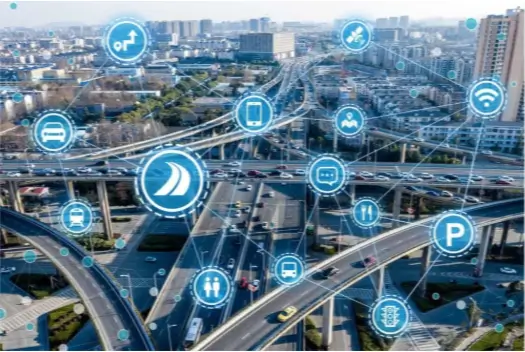

Smart Transportation Systems integrate data-driven governance with coordinated vehicles, infrastructure and information flows to enhance urban mobility. Real-time sensing, analytics, and interoperable platforms support adaptive routing, efficient transit operations, and emergency responsiveness. Data pipelines enable transparent decision making, while MaaS offerings broaden mobility options and reduce emissions. By prioritizing equity, accountability, and privacy, STS aim for safer, greener, and more reliable networks, yet tradeoffs and governance choices remain crucial as systems scale.
Explaining What Smart Transportation Systems Are
Smart Transportation Systems (STS) refer to integrated, data-driven approaches that optimize the performance of urban mobility by coordinating vehicles, infrastructure, and information flows.
This analysis presents STS as adaptable governance tools, balancing efficiency and equity.
Subtopic idea 1, Subtopic idea 2 frame objectives, data use, and accountability while maintaining transparency for diverse stakeholders seeking freedom through smarter, safer, and more reliable transportation networks.
How Sensors and Data Drive Real-Time Mobility
Sensors and data systems underpin real-time mobility by transforming raw observations into actionable insights for traffic management, transit operations, and emergency response.
Data collection pipelines enable sensor networks to feed real time analytics, supporting transparent decision making.
Policymakers and stakeholders pursue efficiency, resilience, and freedom to adapt.
Adaptive routing emerges from robust data, guiding allocations, prioritizing safety, and enhancing public trust.
See also: How Network Routers Manage Internet Connections
From Adaptive Routing to Mobility-as-a-Service
From adaptive routing to Mobility-as-a-Service (MaaS), the convergence of real-time data, seamless digital platforms, and user-centric service design enables integrated mobility options beyond traditional transit silos. The policy-influenced assessment highlights scalable infrastructure, interoperable APIs, and governance frameworks that support choice. Stakeholders emphasize data privacy, funding models, and accountability, while users gain flexible, transparent, and freedom-enhancing mobility through adaptive routing and mobility as a service.
Making Cities Safer, Greener, and More Equitable
How can cities align transportation innovation with safety, environmental stewardship, and equity to deliver tangible public value? Data show safer streets, cleaner air, and fair access emerge from integrated planning, measurable targets, and transparent governance. Priorities include air quality monitoring, low-emission fleets, and energy efficiency retrofits. Stakeholders—residents, businesses, and researchers—benefit from accountable, freedom-preserving mobility choices and equitable infrastructure investments.
Frequently Asked Questions
How Do Smart Transit Apps Affect Privacy for Riders?
The question notes privacy risks associated with smart transit apps, highlighting data minimization as essential. Stakeholders should advocate robust governance, emphasizing transparent data practices, minimal collection, purpose limitation, and user empowerment to preserve freedom while enabling efficient mobility.
What Funding Models Sustain Long-Term Smart Mobility Projects?
Funding models include public-private partnerships, user fees, and phased subsidies to ensure long term sustainability; data-driven evaluations guide policy, ensuring stakeholders understand risks, equity, and return on investment while preserving freedom of choice and transparent accountability.
Can Autonomous Vehicles Replace Human-Driven Buses and Taxis?
Autonomous buses and driverless taxis may reduce labor costs and emissions, but adoption requires robust safety standards, equitable access, and flexible urban policies; data shows mixed outcomes, demanding phased pilots, rider consent, and multi-stakeholder governance for sustainable mobility.
How Do Cities Measure Equity in Transit Impact?
Cities measure equity in transit impact using equity metrics and accessibility gaps; dashboards reveal who benefits, who remains underserved, and where investments shift outcomes. Policymakers and stakeholders review data-driven indicators to advance inclusive, measurable mobility improvements.
What Are the Energy and Environmental Trade-Offs of Iq-Based Systems?
“Time is money,” notes the assessment. The energy trade offs and environmental impacts of IQ-based systems show mixed results: potential efficiency gains, but higher embedded energy, lifecycle emissions, and resource demands; policy must weigh incentives, standards, and resilience.
Conclusion
Smart Transportation Systems deliver measurable urban benefits by aligning data, governance, and mobility services. The evidence base shows that adaptive routing and MaaS integration can reduce travel times by up to 20% during peak periods, while emissions decline through optimized vehicle usage and transit prioritization. Policy-makers should prioritize interoperable data platforms, privacy safeguards, and equity-focused deployment to maximize safety, reliability, and access for underserved communities, ensuring transparent governance and accountable outcomes for all stakeholders.